The craft I bring to Paris.
I was born and raised in Antwerp. To many, it is a port city in northern Belgium. To a diamond dealer, it is the centre of the world. Since the late Middle Ages, the diamond trade has made its home there, and it has never left.
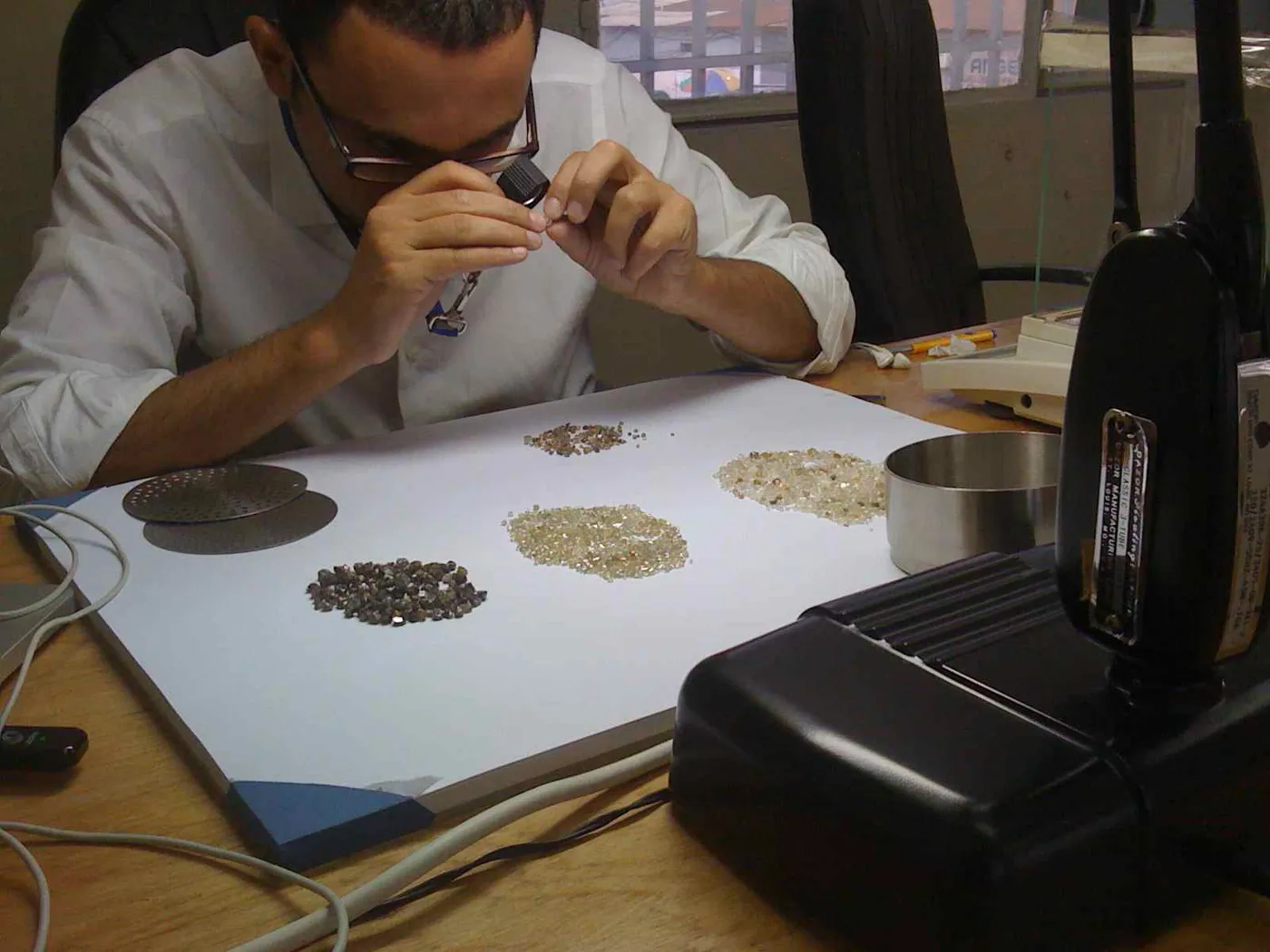
A short walk from Central Station, a few streets hold a unique know-how: Hoveniersstraat, Schupstraat, Rijfstraat. Here, diamonds are bought, sold, cut and certified every day. A large share of the world's rough diamonds passes through these streets before leaving for cutting workshops and jewellers around the world.
Antwerp has three diamond bourses: the Beurs voor Diamanthandel, the Antwerpsche Diamantkring and the Diamantclub. Until a few years ago, traders gathered around large tables near the windows to examine stones in daylight. Brokers presented diamonds to dealers and manufacturers from India, Israel, the United States, Belgium and beyond. Even today, a deal can be sealed with a handshake and the word "Mazal". A word given is a contract. This is the culture I grew up in.
My father and my uncles worked in diamonds in Antwerp: trading, importing rough, manufacturing rough into polished diamonds, and cleaving large stones. Cleaving means splitting a rough diamond into two or three parts, ready to be studied by the cutter's eye. I grew up surrounded by stones, loupes and conversations about rough.
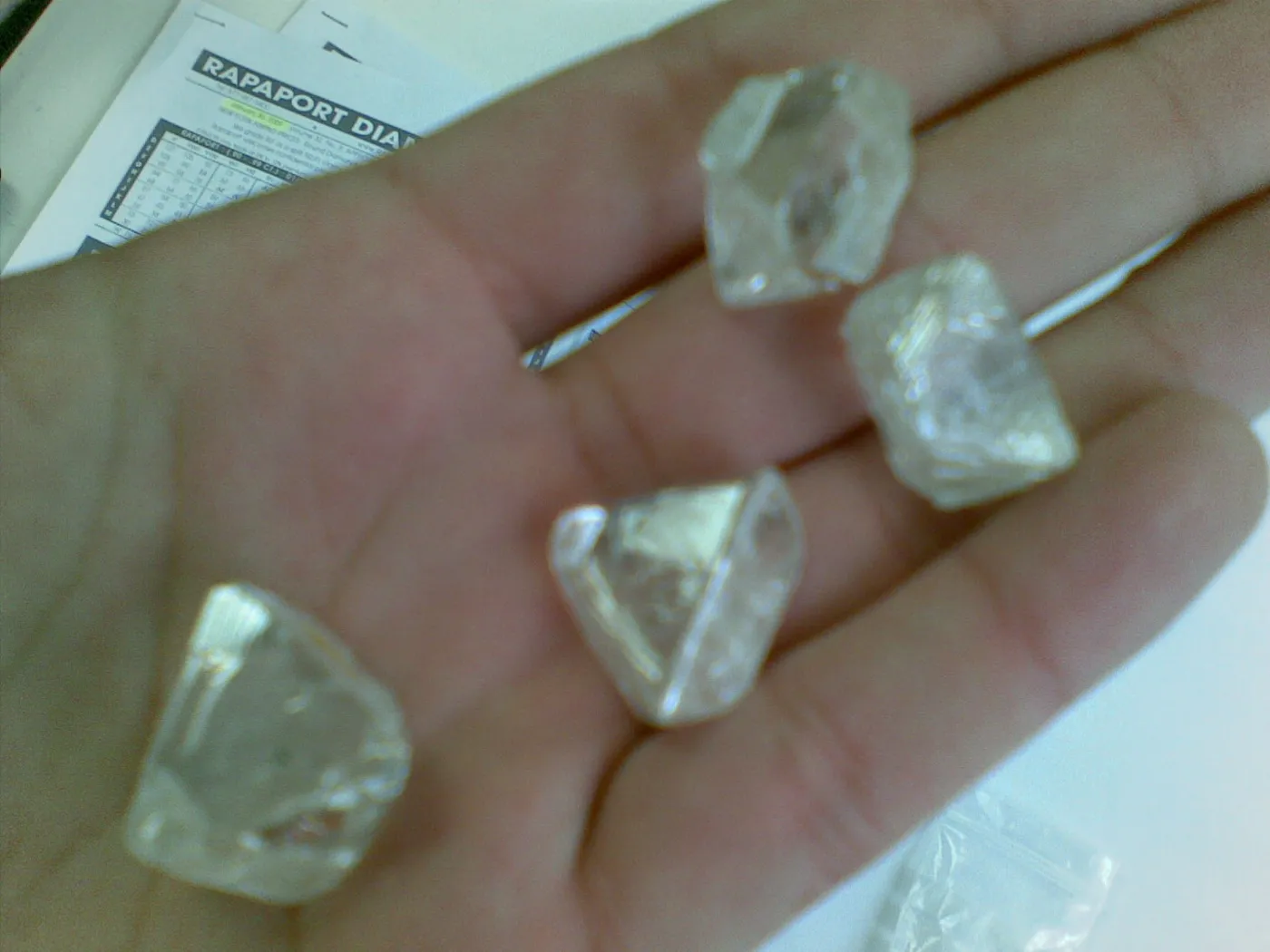
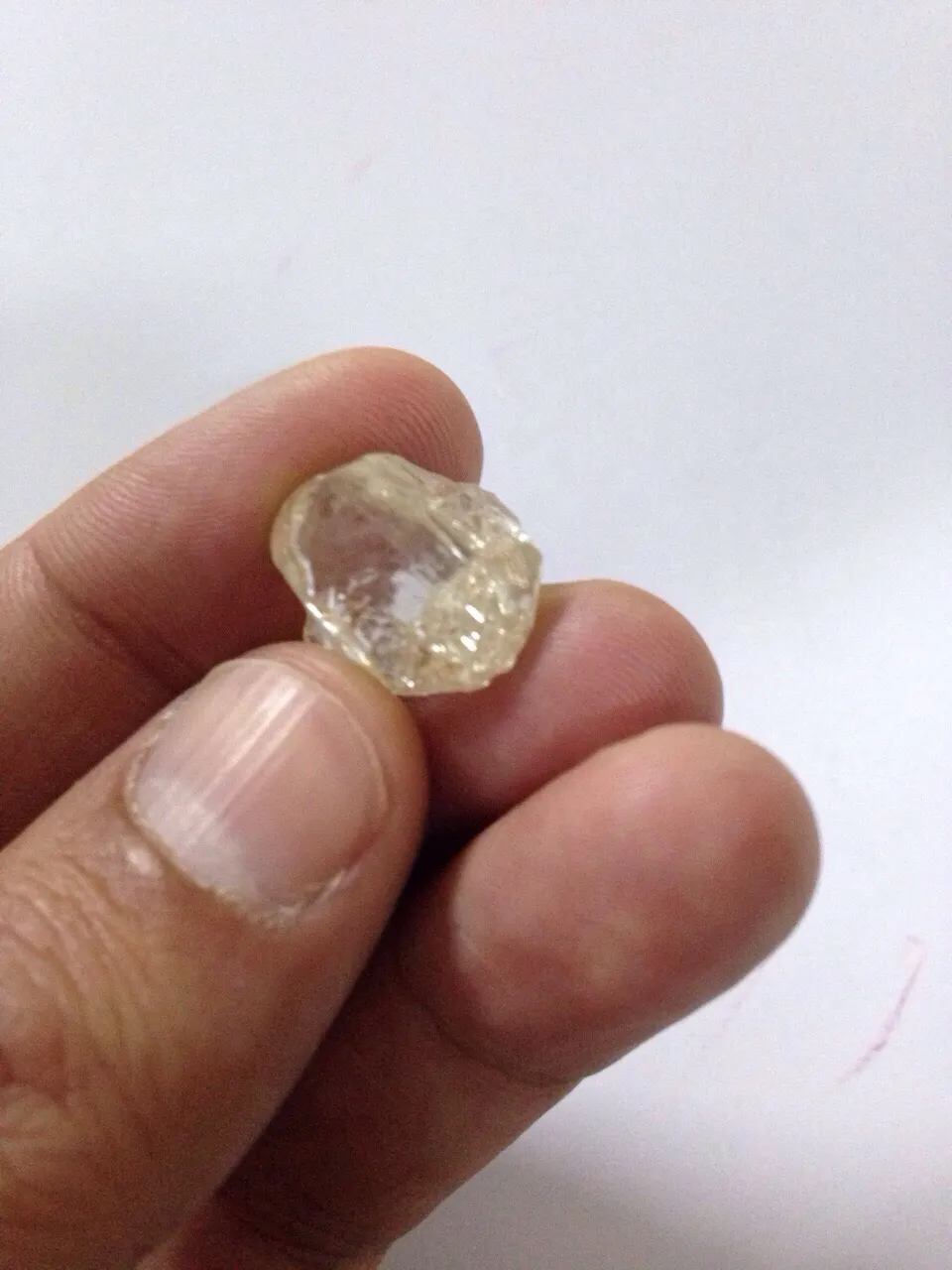
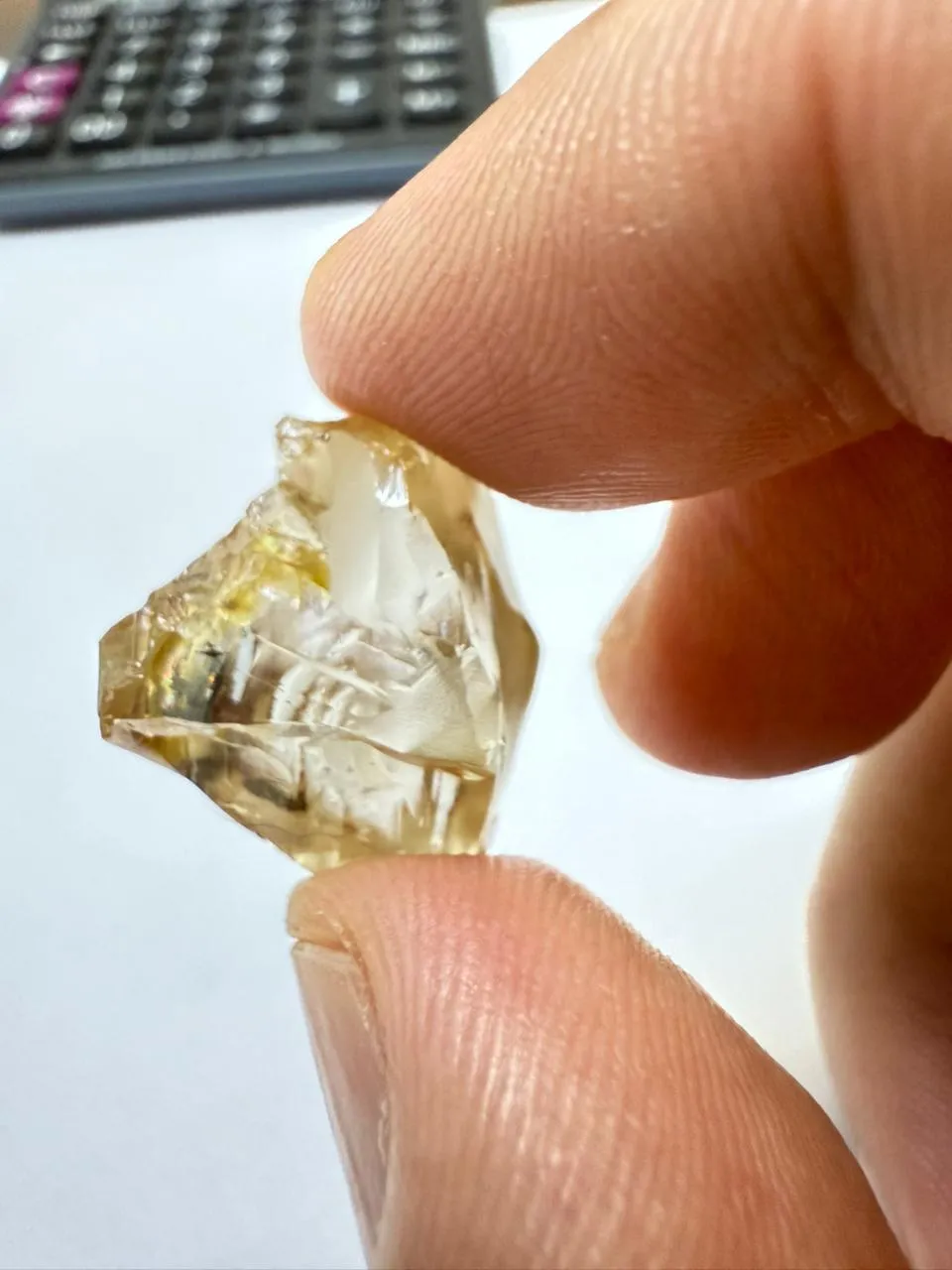
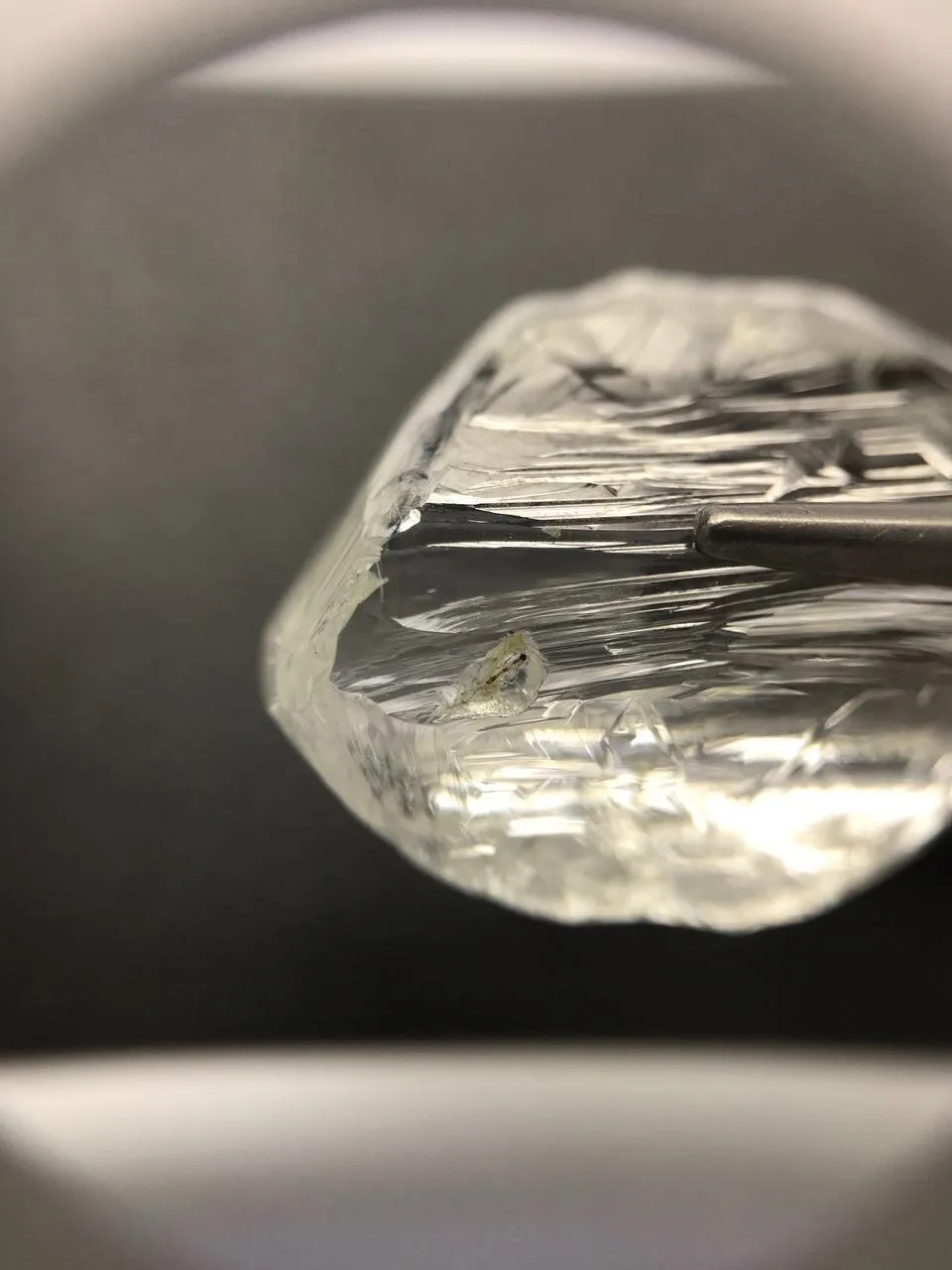
I then earned my Certified Diamond Grader diploma at HRD, Antwerp's diamond grading laboratory. I learned the art of cutting in South Africa, at the Harry Oppenheimer Diamond Training School. Then I spent more than 20 years in Africa, in Angola and the DRC, buying rough diamonds at the source.
I welcome you by appointment in Paris 9th, near the Opéra, to show you stones and explain what makes their value.
In 2025, close to 19 billion dollars' worth of diamonds were traded in Antwerp. The city remains the world's leading centre for the sale of rough diamonds straight from the mines: more than 45 tenders in 2025, for over 5 million carats. And since 1 January 2024, Russian diamonds are no longer allowed there.
At the heart of the district, the Antwerp World Diamond Centre (AWDC) represents and defends the Antwerp diamond sector. Alongside it, the Diamond Office, a Belgian government service, inspects every parcel of diamonds entering or leaving Belgium, in line with the Kimberley Process. For a buyer, it is a rare guarantee: in Antwerp, traceability is not a promise, it is a procedure.
I was born in Antwerp, and I still have my office there, in the very heart of the diamond district. If you would like to choose your diamond on site, I will welcome you by appointment. My dates in Antwerp are arranged around yours: tell me when you are coming, and we will find the right moment together.
You see the stones under the loupe, side by side, with their certificates. You take your time to compare, without any pressure.
Book an appointment in Antwerp
Can a private buyer purchase a diamond in Antwerp?
Yes, through a diamond dealer. The district is secured and the bourses are reserved for professionals: I welcome you in my office, in the heart of the diamond district.
Do I need an appointment?
Yes, always. It allows me to prepare a selection of stones that matches your budget and your taste.
What if I cannot come to Antwerp?
I welcome you in Paris 9th arrondissement, near the Opéra, or I present the stones to you on video.
Leave me a message or ask to be called back, personal reply within 24h.